Author: Fara

  • OpenScreening

    ATA’s openscreening is the only monthly open submissions screening in the BayArea. Get your work out there! Get feedback! Or just come and take it all in! One hour of shorts are accepted monthly on an open revolving basis, anything goes with the screened work, and the refreshments are pretty good too. $5, FREE admission for contributing artists. Door:7:30pm Projector: 8pm

    Not a filmmaker? Come and hang out with us anywayEnjoy the atmosphere, the art, the movies, the people, the refreshments

    Submissions: Label all tapes w/ name, contact, title and length. Mail to: Openscreening, 992 Valencia, SF, 94110 1-2 week advance submissions strongly recommended. If not. . . it is all good. Max length: 15 min. Formats: DVD, miniDV/DVcam, VHS, beta, 8mm and 16mm All genres.

    More Info: contact Katy at ataopenscreening@atasite.org

  • THE INVISIBLE FOREST

    Vertical Pool and A.T. A. presents:

    (2008; 111 min)
    a film by Antero Alli (in person)
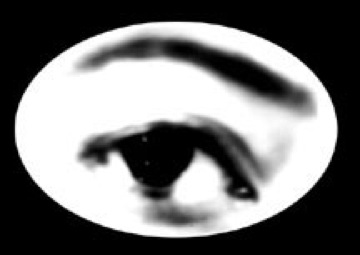
    A theater director, Alex (played by the director of the film, Antero Alli), brings a troupe of nine actors to a remote forest to engage in paratheatrical work. For those of you unfamiliar with this term, it refers to a range of practices, inspired by Polish theater pioneer Jerzy Grotowski, in which the techniques of theater are used, not to create works of art to be performed for an audience, but solely for the personal and spiritual development of the participants. Since, in real life, Alli is engaged in paratheatrical research, it becomes obvious that the film’s fictional story is constructed out of documentary elements.

    The work they are doing is an attempt to realize French poet and playwright Antonin Artaud’s vision of an explosive, transformative form of theater which he called the “Theater of Cruelty.” Alex is tormented by repeated nightmares in which he is taunted by the ghost of Artaud. He avoids sleeping for days in order to prevent these dreams from coming back. The film alternates between many levels of reality: depictions of the theater troupe’s forest work, Alex’s “video diaries” in which he tries to make sense of his deteriorating mental state, dream sequences featuring Clody Cates’ astonishing performance as the (female) spirit of Artaud, and extensive sequences in which Alex desperately seeks help through hypnosis, administered by a therapist, played in a sensitive performance by Garret Dailey. A sense of disorientation is increased throughout the film when, for example, Alex frequently falls into a trance in the doctor’s office and seems to wake up in his tent in the forest, or vice versa.
    In the fascinating dialogues with the doctor, both Alex and the doctor challenge each other to expand their own world-views. Alex understands the cosmic Void as being a source of potential energy which creates everything, and the doctor finds this difficult to grapple with. The doctor understands some basic mechanisms about emotion which Alex has been ignoring at his peril. Subtly, the dialogue critiques the limits of both psychotherapy and art as avenues of self-exploration. “The Invisible Forest” is full of treasures. It is able to depict those elusive mental states which prove so hard to remember or describe when we awaken from dreams. This film incites and dares the viewer to let go of concepts and accept the risky adventure of following the free, unimpeded energies of the body and mind. (DAVID FINKELSTEIN, filmthreat.com)

    Read the review in its entirety at:

    Reviews

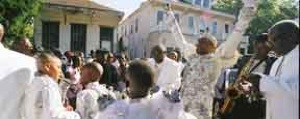
  • “Faubourg Tremé—The Untold Story of Black New Orleans”

    A.N.S.W.E.R. Coalition Film Showing & Discussion

    A documentary film about the radical Black history of New Orleans on the 6th anniversary of the Hurricane Katrina tragedy

    “Faubourg Tremé: The Untold Story of Black New Orleans” was largely shot before the Katrina tragedy but edited afterward, giving the film both a celebratory and elegiac tone. It is a film of such effortless intimacy, subtle glances and authentic details that only two native New Orleanians could have made it.

    During slavery, Faubourg Tremé—a neighborhood near the French Quarter—was home to the largest community of free Black people in the Deep South and a hotbed of political ferment. Black and white, free and enslaved, rich and poor co-habitated, collaborated, and clashed to create much of what defines New Orleans culture up to the present day.

    The film tells the history of the radical roots of this New Orleans community where during slavery, Black people could earn their freedom and purchase a house. Where sit-ins, almost a century before Rosa Parks, won the integration of public transportation.

    The film concludes with the new challenges facing the Black community after the Katrina disaster. It does not just commemorate, but reminds us that U.S. society still confronts the same battles that the residents of Tremé have waged through two centuries—demands for economic justice, voting rights, equal education, decent public services, in short, full citizenship for African Americans. 2007, 67 min.